


Synopsis
A GOOD MEDICINE bridges the gap between cutting-edge science and the people who urgently need it.
Following a global network of scientists pursuing overlooked breakthroughs in women's health, A Good Medicine (AGM) highlights advances in precision medicine to rediscovered therapies gaining validation through clinical trials.
As they push for progress, these researchers face powerful barriers - pharmaceutical resistance, outdated regulations, and institutional inertia. A GOOD MEDICINE brings viewers to the front lines of science, where the future of health is being reimagined.
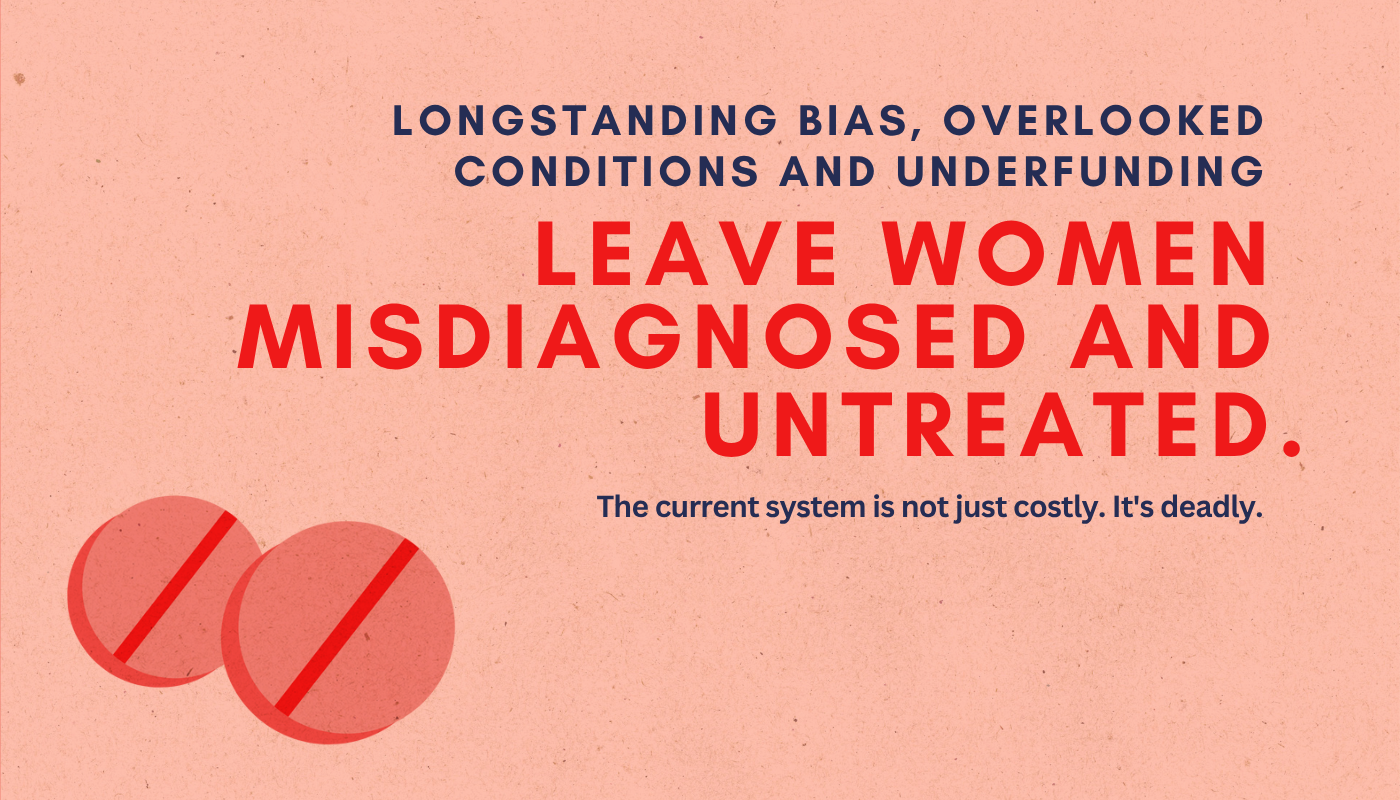
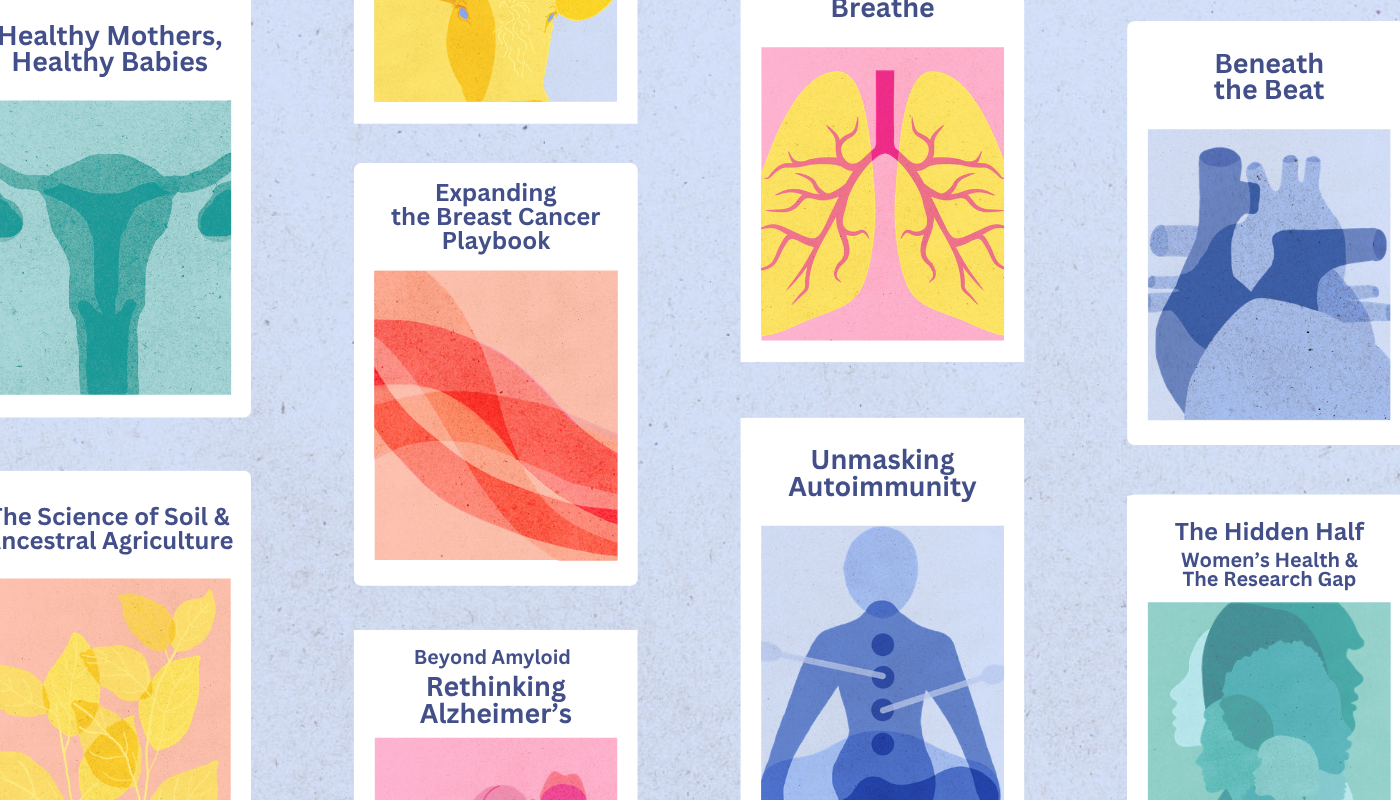
Each episode is built around an urgent women’s health challenge, including maternal health, cardiovascular disease, autoimmune diseases, mental health, breast cancer, and other complex illnesses.
These topics are chosen not just because they are timely, but because they are finally poised for meaningful progress. Grounded in rigor and driven by urgency, A Good Medicine is built to move ideas from the lab into lives.
Pilot Episode
"A Tiny Revolution”
As superbugs surge worldwide, pioneering women scientists race to confront a growing global health crisis and the systems standing in the way of a cure.
A Tiny Revolution follows the urgent race to outpace antimicrobial resistance through the lens of visionary women advancing phage therapy, a century old treatment newly revived to save lives when antibiotics fail. Women are more likely to experience infections such as urinary and reproductive tract infections and to receive higher cumulative doses of antibiotics over a lifetime, making them especially vulnerable as multidrug resistant bacteria drive rising cases of pneumonia, sepsis, and meningitis. The same resistant pathogens threatening women’s health are shaped by how we raise animals, manage soil, and respond to a warming climate.
Blending intimate, character driven storytelling with global urgency, this episode reveals how collaboration across medicine, agriculture, and environmental science could redefine our relationship with microbes. By restoring balance to the ecosystems that sustain us, phage therapy offers a path to protect women’s health, strengthen food systems, and safeguard the planet as a single, interconnected whole.
Episode Example
"New Frontiers in Dementia Research”
A scientist's journey to uncover why one village holds the world's highest Alzheimer's rates and the key to prevention.
While many scientists focus on pharmaceutical applications, a select group are looking at breakthrough alternatives for Alzheimer's disease and related dementias. In the mountainous streets of Yarumal, Colombia, near her home town, researcher Cristina Blanco investigates a somber mystery. This small town suffers the world's highest Alzheimer's rates, with families watching their loved ones succumb to the disease decades earlier than anywhere else on Earth. Cristina seeks out hope in Yarumal, believing that her research may answer the question of why here, and ultimately why at all. MIT neuroscientist Li-Huei Tsai has discovered the power of non-invasive sensory stimulation by using light and sound for slowing disease progression both in terms of cognitive decline and brain volume loss. Her research has led to the creation of Cognito Therapeutics, which is a company now in a Phase III clinical trial that will seek FDA approval for sensory stimulation upon completion.
With over 55 million people worldwide living with dementia and numbers rising rapidly, Alzheimer’s has become one of humanity's most devastating epidemics. And the impact falls especially hard on women: nearly two thirds of Americans diagnosed with Alzheimer’s are women.
Contact